As technology continues to evolve at a rapid pace, electronic devices quickly become outdated, leaving households and businesses with a growing volume of unused equipment. Proper disposal of these devices is essential to protect both the environment and public health. Professional solutions for electronics recycling New York communities are helping individuals and organisations manage electronic waste responsibly while promoting sustainability and compliance.
Understanding Electronics Recycling
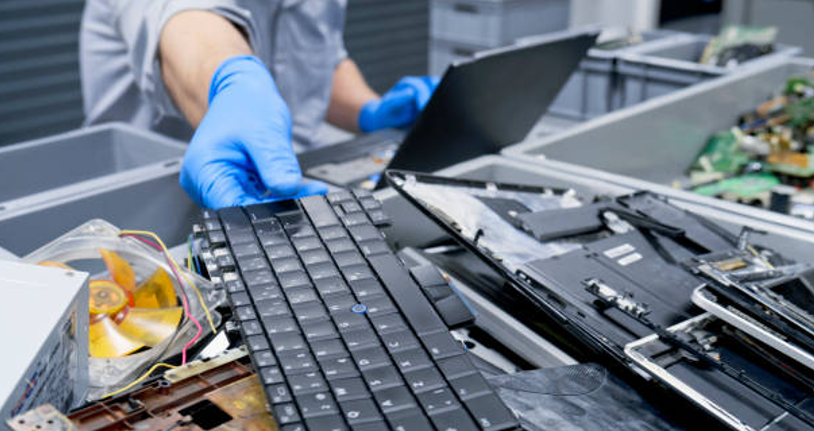
Electronics recycling involves the collection, processing, and repurposing of electronic devices that are no longer in use. These devices often contain valuable materials such as metals, plastics, and glass, as well as hazardous substances that must be handled with care.
Recycling ensures that:
- Valuable resources are recovered and reused
- Harmful materials are safely managed
- Waste is diverted from landfills
- Environmental impact is minimised
Professional recycling services provide structured processes to handle electronic waste efficiently and safely.
Importance of Electronics Recycling in New York
Urban areas generate a significant amount of electronic waste due to high population density and rapid technological adoption. New York communities, in particular, face increasing challenges in managing e-waste effectively.
Key reasons why electronics recycling is important include:
- Reducing landfill overcrowding
- Preventing environmental contamination
- Supporting local sustainability initiatives
- Complying with state and local regulations
- Promoting responsible consumption habits
By adopting proper recycling practices, communities can contribute to a cleaner and healthier environment.
Types of Electronics Commonly Recycled
Professional recycling services accept a wide range of electronic items from both households and businesses.
Household Electronics
- Televisions and home entertainment systems
- Smartphones and tablets
- Laptops and desktop computers
- Kitchen appliances
- Cables, chargers, and accessories
Business Electronics
- Office computers and monitors
- Servers and networking equipment
- Printers and copiers
- Data storage devices
- Communication systems
Proper recycling of these items ensures that both reusable materials and hazardous components are handled appropriately.
How Professional Electronics Recycling Works
Electronics recycling services follow a systematic approach to ensure safety, efficiency, and compliance.
Collection and Transportation
- Scheduled pickup or drop-off services
- Safe handling of electronic devices
- Secure transportation to recycling facilities
Sorting and Dismantling
- Separation of devices based on type and condition
- Manual or automated dismantling of components
- Identification of recyclable materials
Material Recovery
- Extraction of valuable metals such as copper and aluminium
- Recycling of plastics and glass
- Safe handling of hazardous substances
Final Processing
- Refinement of recovered materials for reuse
- Proper disposal of non-recyclable components
- Compliance with environmental standards
This structured process ensures maximum efficiency and minimal environmental impact.
Benefits for Businesses
Businesses in New York can benefit significantly from professional electronics recycling services.
Regulatory Compliance
- Adherence to local and state e-waste regulations
- Avoidance of fines and legal issues
- Proper documentation for audits
Data Security
- Secure handling of electronic devices
- Data destruction to prevent breaches
- Protection of sensitive information
Cost Efficiency
- Reduction in storage and disposal costs
- Recovery of value from recyclable materials
- Streamlined waste management processes
Environmental Responsibility
- Demonstrates commitment to sustainability
- Reduces carbon footprint
- Enhances corporate reputation
Benefits for Households
Households also play a vital role in responsible electronics recycling.
- Convenient disposal of unwanted devices
- Reduction of environmental impact
- Safe handling of hazardous materials
- Contribution to community sustainability efforts
- Promotion of eco-friendly habits
By recycling electronics properly, individuals can make a meaningful difference in their communities.
Challenges in Electronics Recycling
Despite its importance, electronics recycling comes with several challenges:
- Lack of awareness about proper disposal methods
- Limited access to certified recycling facilities
- Rapid increase in electronic waste
- Complexity of modern electronic devices
- Illegal dumping and informal recycling practices
Addressing these challenges requires collaboration between communities, businesses, and policymakers.
Best Practices for Responsible Electronics Recycling
To maximise the benefits of recycling, individuals and organisations should follow best practices.
Reduce and Reuse
- Extend the life of electronic devices
- Repair instead of replacing when possible
- Donate or resell functional equipment
Separate E-Waste
- Keep electronics separate from regular trash
- Store devices safely until recycling
- Use designated collection points
Protect Data
- Back up important data before disposal
- Perform factory resets on devices
- Use secure data destruction methods
Choose Certified Recycling Services
- Ensure compliance with environmental standards
- Verify proper handling and processing methods
- Avoid unregulated disposal channels
Environmental Impact of Electronics Recycling
Proper recycling has a significant positive impact on the environment.
- Reduces landfill waste
- Conserves natural resources
- Minimises pollution and toxic exposure
- Supports sustainable manufacturing practices
By recovering valuable materials, recycling reduces the need for raw material extraction, which helps preserve ecosystems.
See also: Flights to Bangalore: Find Affordable Airfare and Travel Comfortably to India’s Silicon Valley
Role of Technology in Recycling
Advancements in technology are improving the efficiency and effectiveness of electronics recycling.
Automated Sorting Systems
- Increase accuracy in material separation
- Improve processing speed
- Reduce manual labour
Advanced Recovery Techniques
- Enhance extraction of valuable materials
- Reduce waste generation
- Increase recycling efficiency
Tracking and Reporting Tools
- Monitor the lifecycle of electronic waste
- Provide transparency in recycling processes
- Support compliance and documentation
These innovations are making recycling more sustainable and accessible.
Future of Electronics Recycling in New York
The future of electronics recycling is focused on sustainability, innovation, and community engagement.
- Expansion of recycling infrastructure
- Increased public awareness and education
- Stronger environmental regulations
- Growth of circular economy initiatives
- Development of eco-friendly electronic designs
These trends will continue to shape how communities manage electronic waste.
Conclusion
Professional electronics recycling services play a crucial role in helping New York communities manage electronic waste responsibly. By ensuring safe disposal, recovering valuable materials, and reducing environmental impact, these services support both sustainability and compliance.
As technology continues to advance, the need for effective recycling solutions will only grow. By adopting responsible practices and utilising professional services, businesses and households can contribute to a cleaner environment and a more sustainable future.