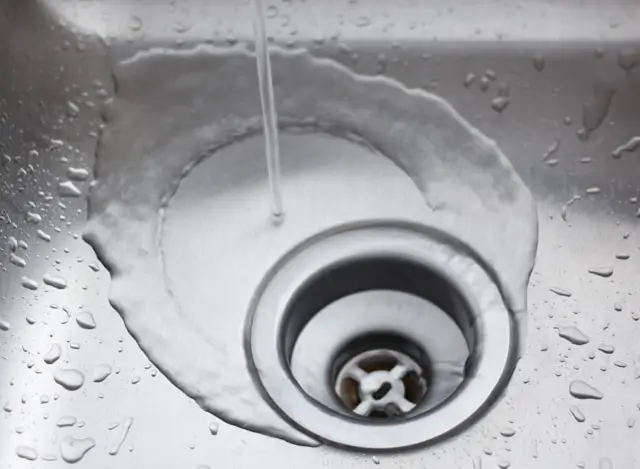
Natural drain cleaning relies on enzymes and common household options to break down organic buildup without harsh chemicals. A quick routine uses baking soda, hot water, and a splash of vinegar to create a safe foaming action, then is flushed with warm water. The approach should be tailored to kitchen, bathroom, or laundry lines, with eco-friendly tools and routine maintenance. Evidence supports gradual improvements; the next steps outline specific methods and preventive habits to consider.
Why Cleaning Drains Naturally Works
Natural drain cleaning works by targeting the root causes of buildup—organic matter, grease, and mineral deposits—without relying on harsh chemicals. Evidence shows gradual clearance with natural enzymes that break down organics, while maintaining a stable pH balance to protect pipes and ecosystems. This approach supports freedom from toxic cleaners, reduces environmental impact, and promotes consistent, long-term drain integrity.
Quick-Start Routine: Baking Soda, Vinegar, and Hot Water
A quick-start routine uses common kitchen ingredients—baking soda, vinegar, and hot water—to begin clearing drains without harsh chemicals.
Clarifying and planning informs initial steps, while routine optimization guides repeated use.
The method is safe, low-wuss, and eco-conscious, encouraging independent maintenance.
It emphasizes measurable outcomes, minimal waste, and evidence-based expectations, enabling a freedom-minded reader to confidently assess progress and adjust timing.
Tailoring Methods by Drain Type and Situation
When selecting a method, drain type and situation determine which approach is safest and most effective.
Different drains require careful consideration: kitchen sinks, bathroom fixtures, and laundry lines differ in material and flow.
Natural alternatives should be prioritized, and drain safety observed to prevent damage.
Evidence-based choices minimize chemical exposure, supporting eco-conscious routines and freedom to maintain healthy plumbing.
See also: The Convergence of Technologies: Where Everything Meets
Preventing Clogs: Habits, Tools, and Maintenance
Preventing clogs hinges on consistent hábitos and practical tools that minimize organic buildup and residue in drains. Regular routine maintenance reduces grease, hair, and soap scum through mindful disposal and filtration. Eco friendly products support safe chemistry, while DIY tools empower quick checks, snake clears, and gentle snaking. Maintenance schedules, mindful use, and reusable filters sustain flow without harmful environmental impact.
Conclusion
In the quiet hum of routine, each drain hides clues about its health. The simple, enzyme-friendly method—baking soda, hot water, a dash of vinegar—unfolds gradually, revealing gradual change rather than dramatic overhaul. With consistent practice, eco-conscious habits unlock cleaner pipes and less waste. Yet the true test remains unseen: the moment when routine resilience meets stubborn buildup. Will the next flush confirm long-term progress or expose a stubborn limit, nudging the reader toward deeper, preventive action? suspense lingers, instructions persist.